

Freight Corridor Project 2026
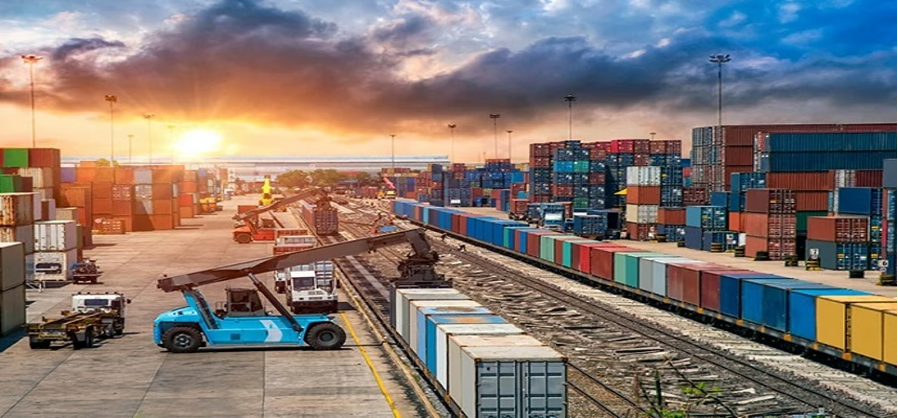
Bajaj Enterprises Railway freight corridor project involves building dedicated, high-capacity lines exclusively for freight trains to improve efficiency and reduce congestion on Indian Railways. The project currently has two main corridors—the Eastern Dedicated Freight Corridor (EDFC) and the Western Dedicated Freight Corridor (WDFC)—which are now over 96% operational. Future plans include the development of three additional corridors: the East-Coast, East-West, and North-South corridors.
Existing corridors
Eastern Dedicated Freight Corridor (EDFC)
A 1,337 km corridor connecting Ludhiana, Punjab, to Sonnagar, Bihar.
Western Dedicated Freight Corridor (WDFC)
A 1,506 km corridor connecting the Jawaharlal Nehru Port Terminal (JNPT) in Mumbai to Dadri, Uttar Pradesh.
Benefits
- Increased efficiency and speed: Separating freight from passenger trains allows for faster and more efficient movement of goods.
- Reduced costs: The project aims to lower logistics costs and reduce reliance on road transport.
- Environmental benefits: Shifting freight to rail helps reduce road congestion and emissions.
- Economic growth: The project is expected to boost the economy by improving the logistics sector and supporting industries like power and heavy manufacturing.
Future projects
The Ministry of Railways is preparing Detailed Project Reports (DPRs) for three new corridors:
- East-Coast Corridor (Kharagpur to Vijayawada)
- East-West Corridor (Palghar-Bhusawal-Nagpur-Kharagpur-Dankuni)
- North-South Sub-corridor (Vijayawada-Nagpur-Itarsi)
DFCCIL, the implementing agency, is also engaging private players through public-private partnerships to develop freight terminals.